
Night Vision for milsim and more
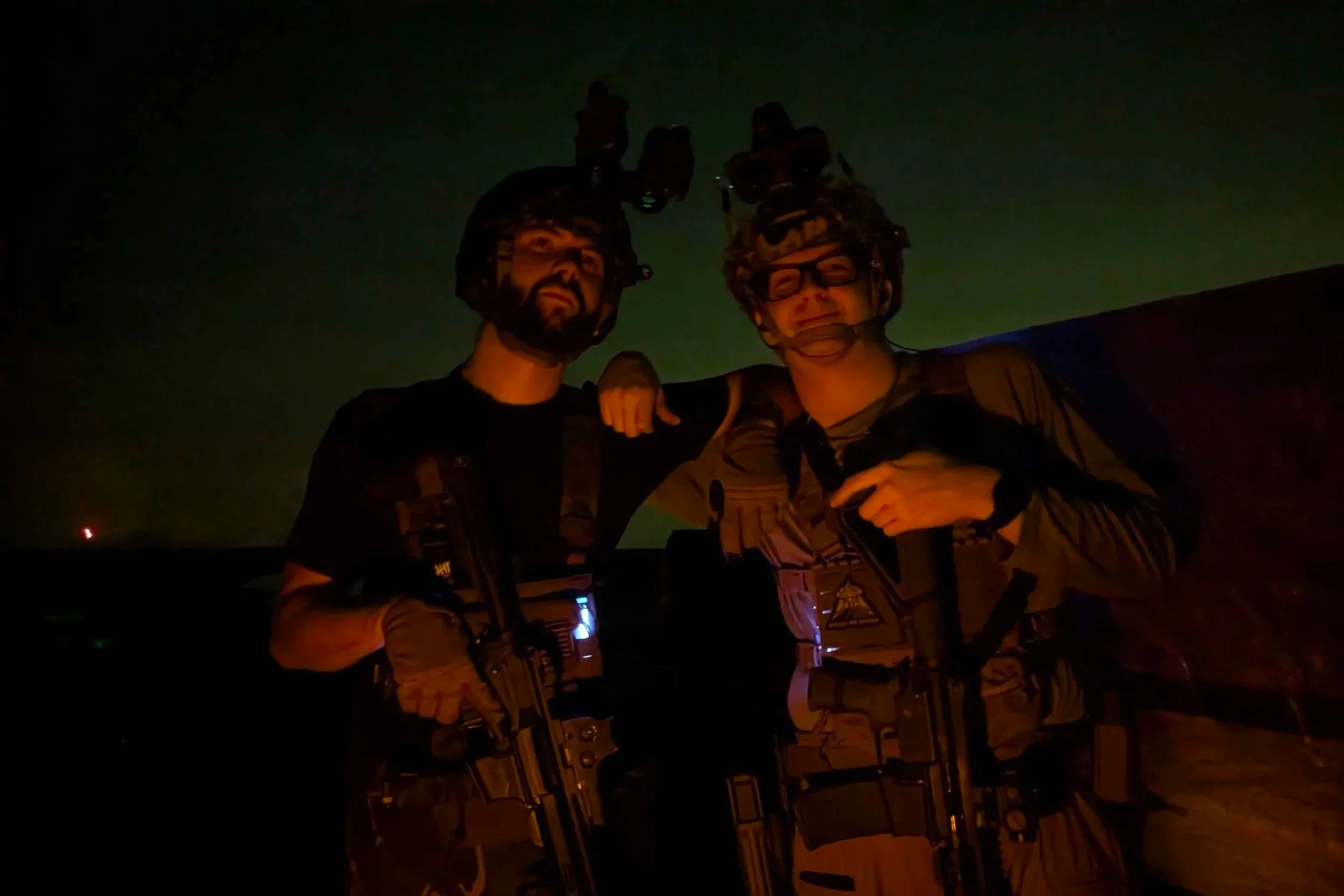
A quick rundown of Night Vision for airsoft night games - Strahd
Introduction:
In milsim events, you’ll see three different types of night vision being used. Analog, Digital, and Thermal. All of these serve their own distinct purpose. Please keep in mind while browsing night vision on the internet, all of your ads and suggested articles will be based off of your digital footprint as an airsofter, which is to say almost all of them will be ads. Night Vision is a very difficult field to get reliable unbiased information, because it is so expensive to get into.
Digital Night Vision:
Many airsofters get suggested digital night vision as a “beginner” pick, and it isn’t a bad place to see if you enjoy the technology, but it isn’t much better than allowing your eyes to naturally adjust to the dark. Digital night vision often has low refresh rates which leads to image smearing, or have issues producing an image in true low light environments. Digital is at its best when stationary and scanning for light signatures from other players, or when used as a night vision optic.
Thermal:
Thermal optics and monoculars are becoming more and more affordable. Cheap Chinese heat sensing drone cameras seem to drop in price every month. These days, you can get a handheld thermal camera for $100 that significantly improves your ability to scan for enemies when stationary. Unfortunately, navigating in the dark using a thermal is very difficult, and some thermal screens cause a lot of light washout, exposing your position to those near you with night vision. Thermal as a secondary device, an optic, or a thermal overlay are all huge force multipliers out in the field.
Analog Night vision:
This is seen as the pinnacle of night vision tech. Analog night vision works by collecting a tiny amount of ambient light, like starlight or moonlight, and focusing the light into a photocathode inside the device. The photocathode converts the light into electrons, which pass through a microchannel plate and hit a phosphor screen. The phosphor screen reacts by glowing, creating a green or blue image in the image intensifier tube with zero latency. The extremely high price tag that modern analog night vision is offset by the upsides: near superpower-like vision even in extreme dark.
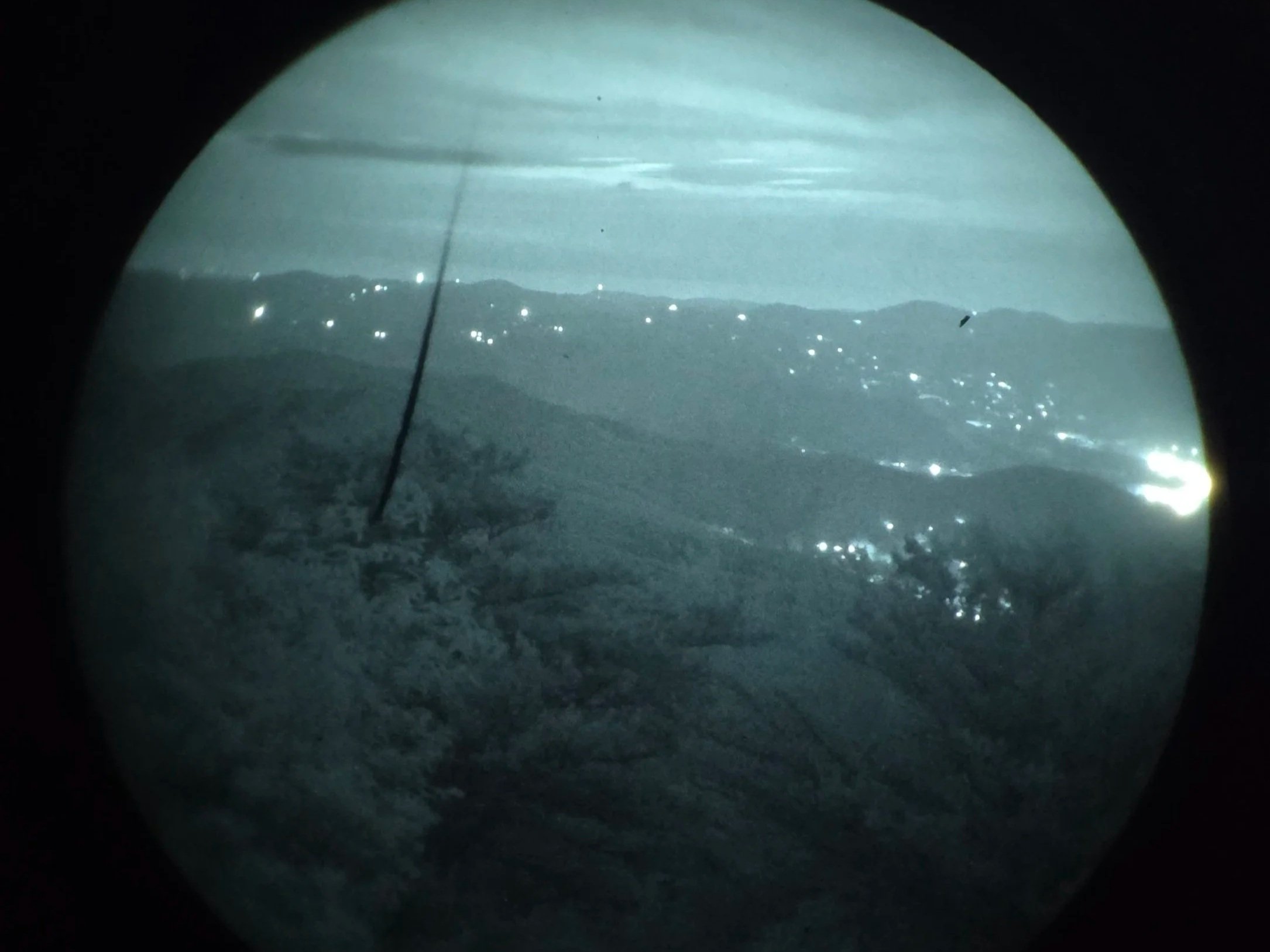
Night vision builds for milsim:
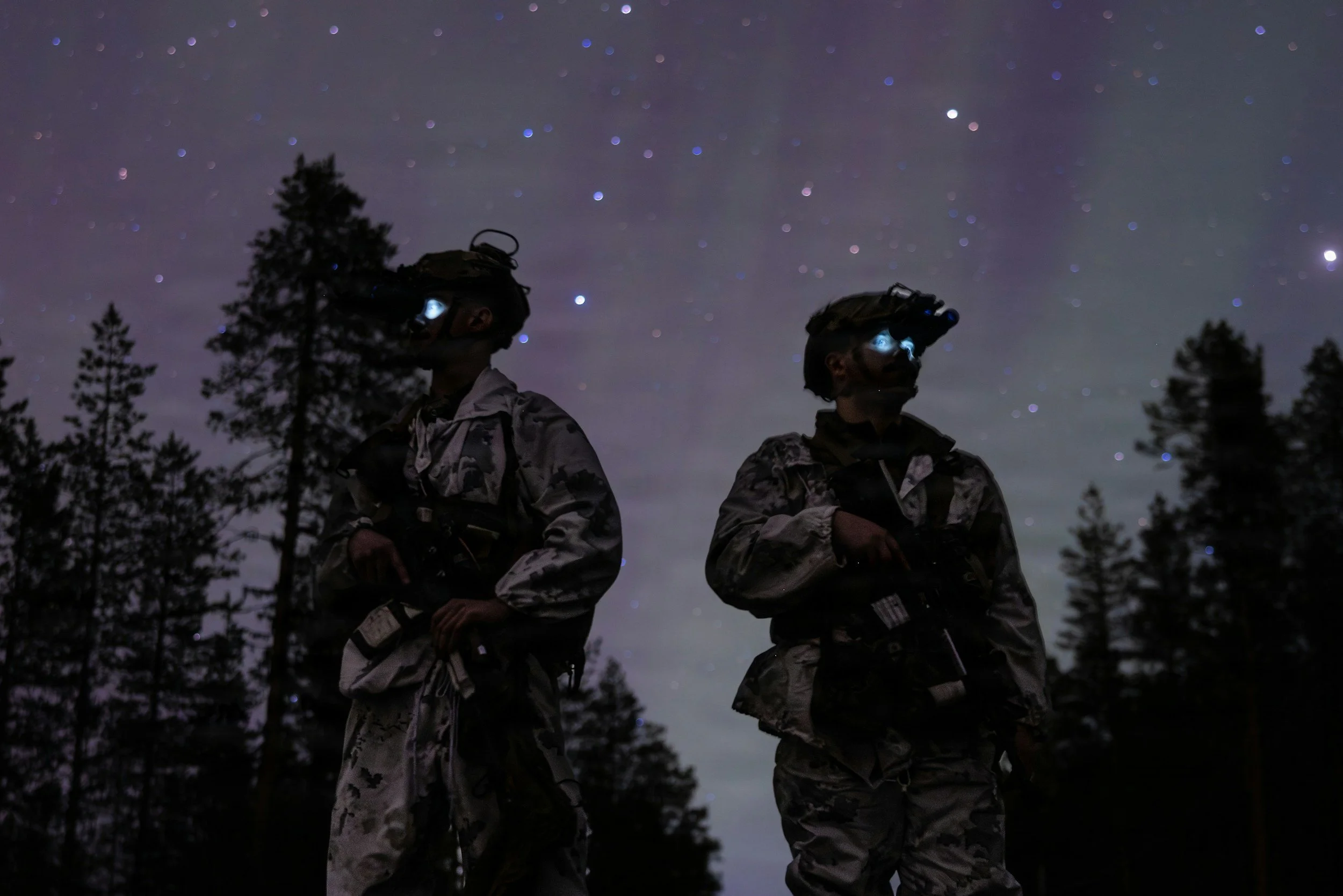
Budget: Sub-$1000
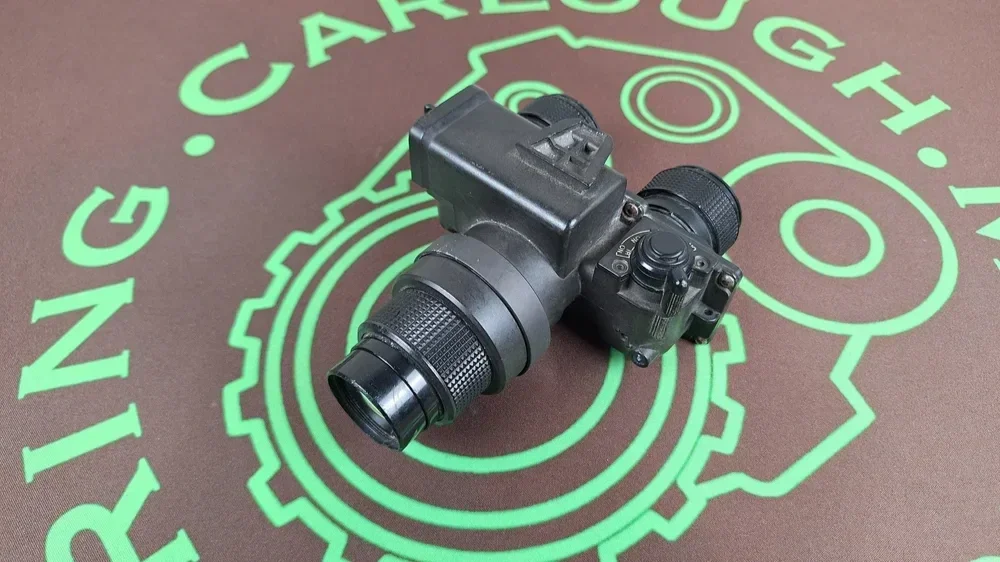
Image from Carlough on Discord and his website
Simply put, there’s no “Cheap” all in one option for night vision. You’re gonna have serious sacrifices somewhere, so I’ll put these into two categories:
Enemy detection/scanning: We would suggest investing in a thermal monocular so you can observe treelines or dark areas from a relatively safe distance. With only thermal, even if it was helmet mounted you will likely struggle to navigate effectively, but you can provide valuable intel to your Fireteam and Squad with thermal. The AGM Taipan V2 line starts out at about $500 on Amazon (sometimes half that on Ebay) and is great for scanning and observation.
Navigation/shooting: A lot of night games is positioning, so sometimes you don’t need to be able to passive aim. A gen 2 or blemmed gen 3 PVS7 will let you navigate quickly and safely into an ambush position, and you can either aim with an infrared laser (if allowed) or flip up your night vision device and aim with your unassisted eyes. Carloughmanufacturing.com sometimes has cheap PVS7’s, or PVS7 tubes in M2021 monocular housings for even cheaper. Either should get you into an analog device for under $1000, assuming you already have a helmet.
Middle of the road: $1000-1500
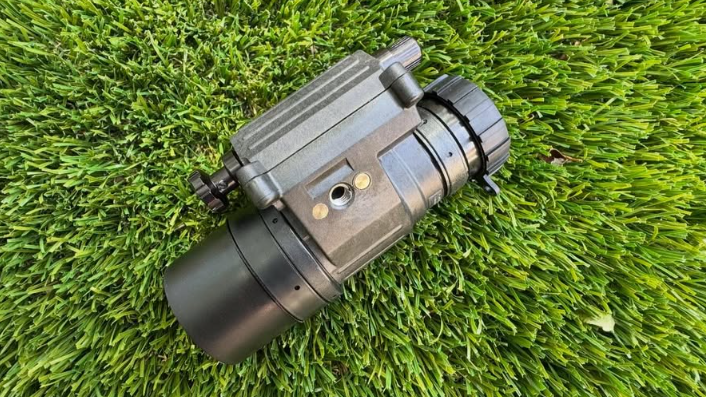
Image from Mayonaka Solutions on IG/Discord
If you have a little bit more budget, you may have better options for Gen 3 devices that will allow you to passive aim with a night vision capable optic.
Clean/new option: If you want a cleaner image, you likely won’t be able to get an Omni PVS14, but you should be able to find “fallout” tubes within this price. A fallout tube is one that was manufactured to meet a certain spec, and didn’t quite make the cut due to one or more specs. There are a lot of 10160A fallout tubes floating around in non-pvs14 monoculars like Envis, or you may be able to source just a tube like a Litton M8XX or early ITT F9800 and build it into a housing of your choice. As before, Carloughmanufacturing.com sometimes gets these type of devices in stock.
Blemmed option: Plenty of retailers and vendors handle trade-in devices with significant blems. After a few minutes, most people’s brains will forget about small blems, kind of like floaters in your vision. This is the absolute best middle of the road option, especially if you browse the NV-BST discord. Vendors and other NV enthusiasts offer a little bit of a better deal there, and often are very willing to help with support. For this price range, We would suggest looking for an Omni IV or newer PVS14 with light blems, or an older lower performance tube in a PVS14 or non-PVS14 housing to pair with an inexpensive thermal camera or BCOTI (Budget Clip On Thermal Imager)
Higher budget: $2000+
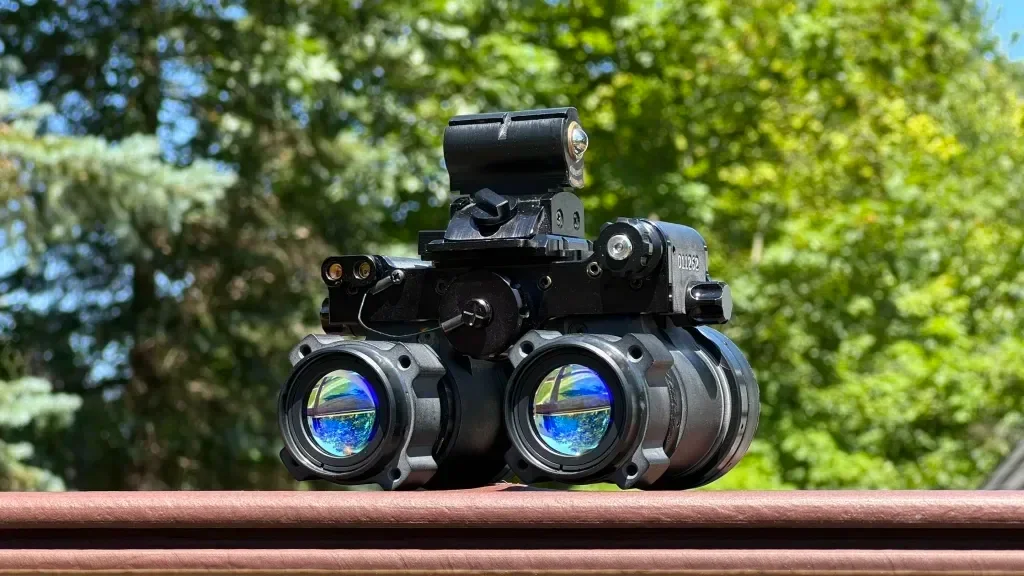
Image from Flarbles on Discord
When you get to this budget level, you have the same choice as middle of the road, but more options open up.
Clean option: For a clean monocular, you should have no problems finding a clean Omni VII or VIII, and possibly something higher spec or WP like Elbit tubes. Binoculars may also be an option with lower spec tubes like 10160A’s or A fallout tubes, or bridged monoculars. If you have time to watch the discord and facebook sale pages, you can find a fantastic deal for low spec binos or a mid-high spec monocular.
Blem option: I know what you’re thinking, for this price you’d prefer a clean tube, I get it. But at this price, you can get some really nice options that have pretty serious blemishes. L3 Filmless tubes come to mind. 1610s pop up from time to time, and the performance is a night and day difference from omni tubes. Higher resolution, less noise in the picture, and completely silent. This could also apply to Elbit tubes.
Dual band option: This may be the most minmaxed option, but will take some getting used to. Thermals like the Armasight Sidekick can sometimes be found in their lower resolution version for under $1000 used. Pair that with a gen 3 monocular on a cheap bridge (The FMA one has worked fine for me) and you should have VERY good target detection, the ability to positively identify friendlies/enemies, passive aim, and navigate in one setup.
