
Airsoft load-Bearing Equipment: A quick rundown
Whether you're new to airsoft or looking to refine and update your kit, few decisions matter more than how you carry your gear. The right load-bearing equipment (LBE) can mean the difference between a comfortable, effective day on the field and one cut short or interrupted by fatigue or poor access to your kit. Here's a breakdown of the three major categories to help you find the right fit for your playstyle.
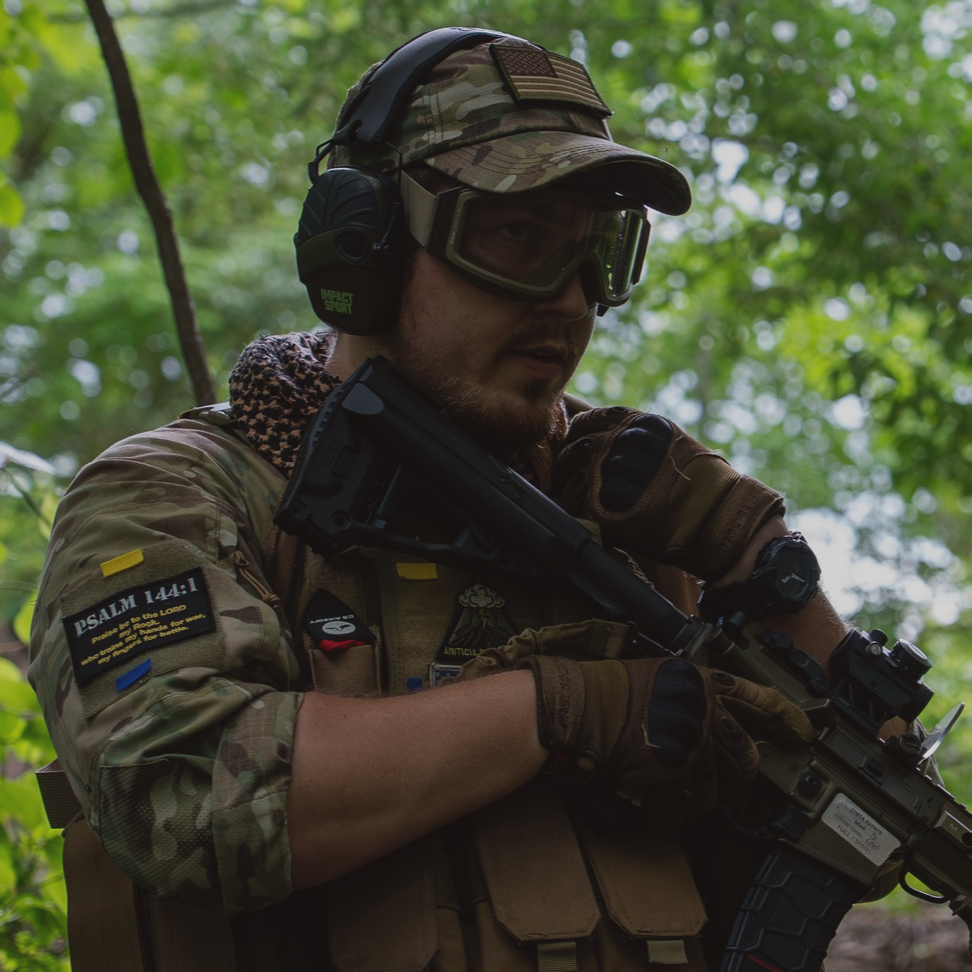
Plate Carriers
Examples: Agilite K19, Crye JPC
Plate carriers are the go-to choice when you need armor and want to keep your footprint as small as possible. Their compact, streamlined profile makes them excellent for fast-paced operations — think quick insertions and extractions where a vehicle is doing most of the heavy lifting. They also pair naturally with a pistol belt, letting you push some kit to your waist without overcomplicating the overall setup.
That said, plate carriers come with some real trade-offs. The rigid back plate creates an awkward gap between your back and any pack you try to run, which can throw off weight distribution and comfort over longer movements. They also tend to struggle at temperature extremes — compressing your insulating layers in cold weather and trapping heat in summer. And because all the load rides on your shoulders, you'll feel that fatigue accumulate faster than you might expect on longer days.
Best for: Short, fast missions where simplicity and a low profile take priority.
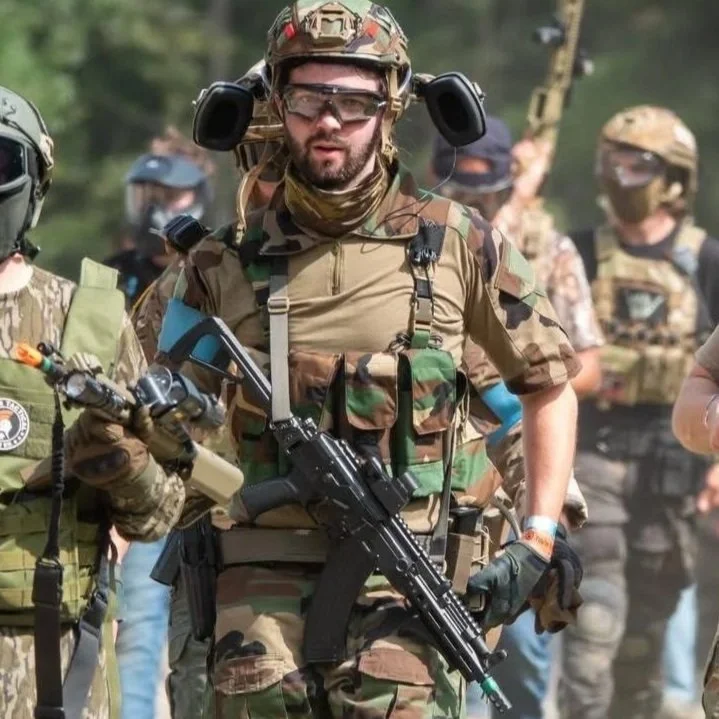
Chest Rigs
Examples: Haley Strategic D3CRM series, Spiritus Systems Microfight, TAPS
Chest rigs are arguably the most versatile option in the LBE toolkit. Worn independently or layered over a slick plate carrier when armor is needed, they're adaptable to a wide range of scenarios without locking you into a single setup. They interface cleanly with backpacks and play well with pistol belts, making them easy to integrate into a broader kit.
The main downside is familiar: like plate carriers, chest rigs concentrate the load on your shoulders and the front of your torso. Over a long day, that can translate into shoulder and back fatigue — something to keep in mind if you're planning extended operations.
Best for: Players who want flexibility and the option to mix and match components across different loadouts.
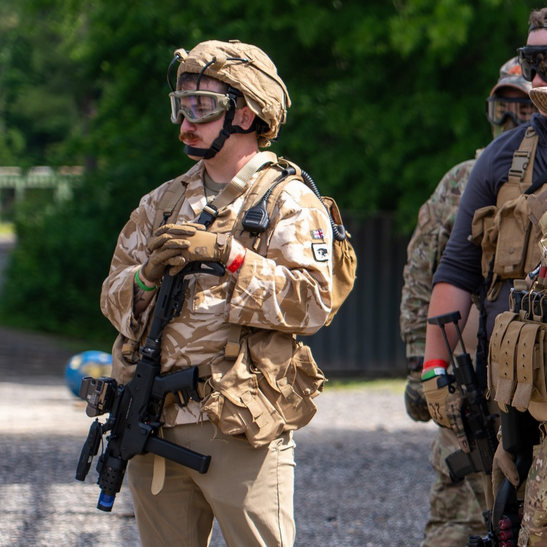
Belt and Webbing Rigs
Examples: 34A + Expander Kit, Crossfire DZ Rig, ALICE Gear
If you're running a heavy loadout — particularly with a gas blowback rifle (GBBR) with many heavy magazines — a belt or webbing rig deserves serious consideration. By distributing weight across both your hips and shoulders, these systems significantly reduce the strain that comes from top-heavy setups. For long days in the field, that difference in comfort cannot be overstated.
The trade-offs are mainly in compatibility and compactness. Belt rigs don't play nicely with dedicated pistol belts, and the waist structure can conflict with the kidney straps on backpacks and rucks, which limits your ability to build out a layered kit around them. Without a full weight load, a full webbing or belt rig may not fit correctly or slide around on the operator’s hips. Additionally, a webbing kit won’t fit as tightly as a well-fitted chest rig, so running and jumping will cause your gear to move around more.
Best for: Heavy loadouts, GBBR users, and anyone prioritizing comfort on extended operations and long movements.
Choosing What's Right for You
There's no universally correct answer here — the best LBE is the one that fits your role, your loadout, and the kind of game you're playing. A fast-moving CQB player has different needs from someone planning to be in the field for 24 hours or longer. Think about the weight you're carrying, how long you'll be on your feet, and what other components you need your rig to work alongside. Start there, and the right choice usually becomes clear.
